Understanding Erectile Dysfunction

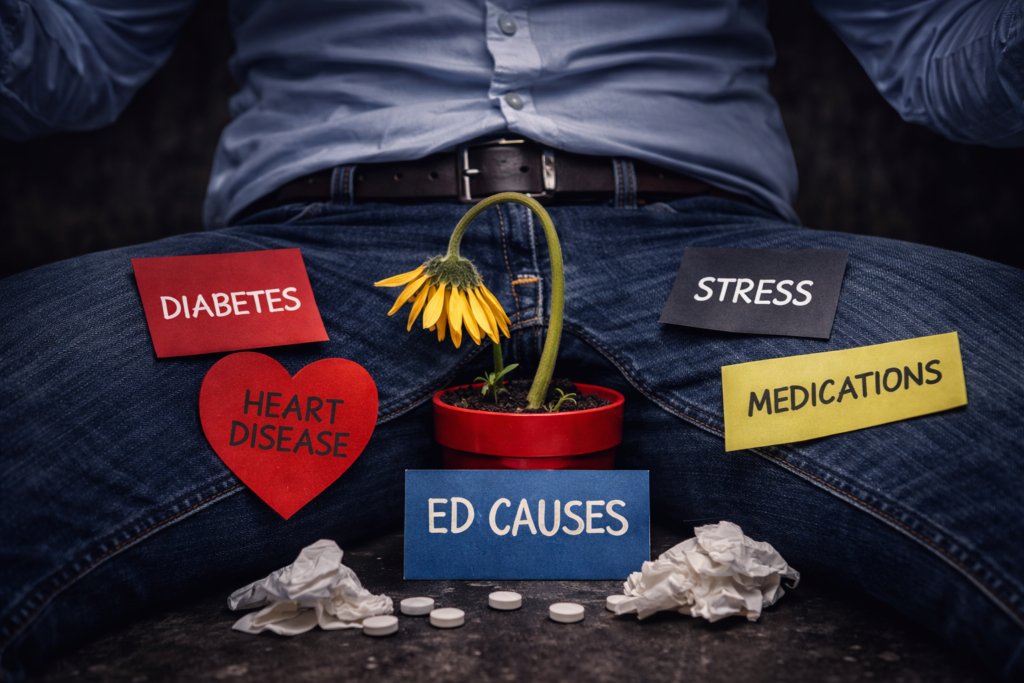
Erectile Dysfunction Causes

Common causes, contributing factors, and what they may mean for your health

Erectile dysfunction is more common than many men realize. Clinical data suggests that a significant percentage of men over the age of 40 experience some degree of ED, with prevalence increasing over time.


But statistics only tell part of the story.


Erectile dysfunction is not a reflection of personal failure. In many cases, it may be a sign of underlying physical, psychological, or hormonal factors that can be evaluated through a medical assessment.


Understanding these contributing factors is an important first step in determining whether treatment options may be appropriate.

Psychological Factors

Psychological Factors & Performance

Mental and emotional health can play an important role in erectile function.

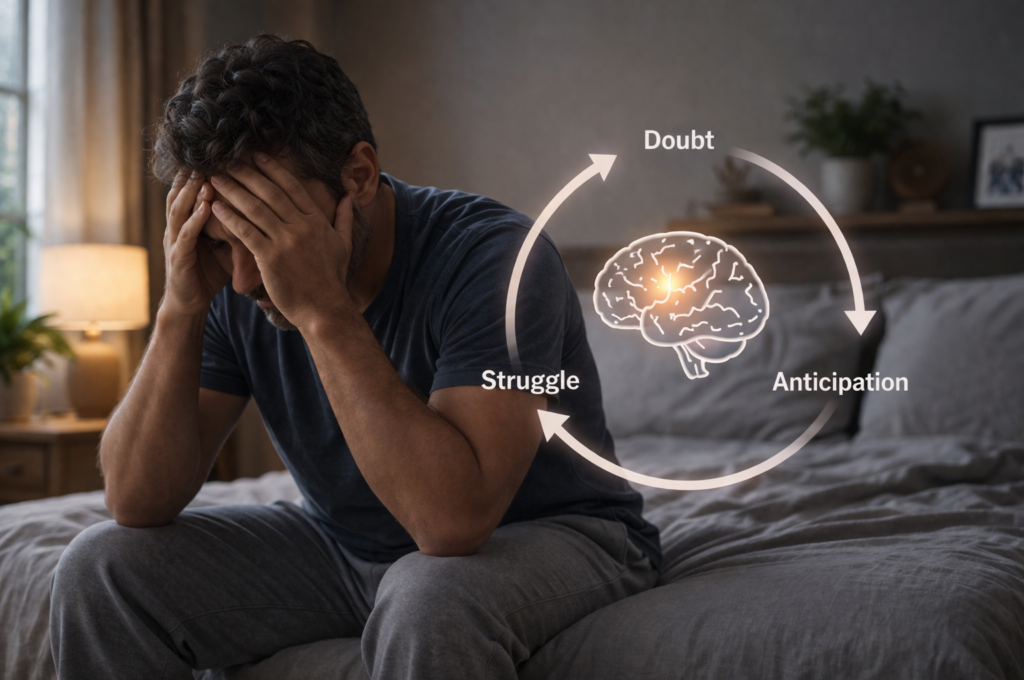
The Anxiety Cycle

Anxiety may interfere with both blood flow and the body’s ability to relax — two components involved in normal erectile function. Over time, repeated difficulty can contribute to a pattern where anticipation or concern may further affect function.


What may begin as a single experience can lead to increased awareness or concern, which in some cases may contribute to ongoing difficulty.

image

Common Contributors:

Stress and anxiety can affect communication between the brain and body, which may impact the body’s natural response.


Over time, this pattern may become more noticeable. A provider-guided approach can help evaluate contributing factors and determine appropriate next steps.

Physical Factors

Underlying Health Factors

Erectile dysfunction may be associated with physical changes in the body that affect blood flow, nerve signaling, and hormone balance.

Blood Flow & Metabolic Health

Healthy circulation is an important component of erectile function. Conditions such as diabetes, cardiovascular disease, and metabolic dysfunction may affect blood flow and nerve signaling.


Men with diabetes, in particular, may have a higher likelihood of experiencing ED.

Medications

Certain medications may contribute to erectile dysfunction, including:


  • Blood pressure medications
  • Antidepressants
  • Anti-anxiety medications
  • Prostate medications
  • Certain cardiac drugs

Hormonal Imbalances

Hormones play a role in sexual health, libido, energy levels, and overall function.

Key hormones include:

  • Testosterone
  • Estrogen
  • SHBG
  • LH & FSH
  • DHEA-S
  • Thyroid hormones
  • Cortisol

Structural Conditions & Tissue Changes

ertain structural conditions may affect erectile function by altering penile tissue.


For example, Peyronie’s Disease may be associated with

  • Penile curvature
  • Pain during erection
  • Reduced rigidity
  • Difficulty maintaining an erection


For example, Peyronie’s Disease may be associated with

Understanding the Bigger Picture

Why Understanding Contributing Factors Matters

Erectile dysfunction is often influenced by multiple factors rather than a single cause. Identifying potential contributing factors allows for a more informed, provider-guided approach when determining whether treatment options may be appropriate.

What This Means for You

A clearer understanding of your symptoms helps guide a more individualized approach to care.


Modern approaches may include:

  • Evaluating underlying health considerations
  • Supporting overall wellness
  • Exploring treatment options when appropriate
  • Monitoring response and adjusting care over time
7807e4bc-46fe-40dc-be28-ebe6247cd3a4

You Have Options

The key is finding the approach that aligns with your body, your health, and your goals. A personalized, provider-guided plan allows for targeted treatment — designed to improve performance, restore confidence, and support long-term results.

Get Back to Feeling Like Yourself Again

You don’t have to navigate this alone.

With the right approach, real, lasting improvement is possible.