Understanding Erectile Dysfunction

Erectile Dysfunction Causes

Common causes, contributing factors, and what it means for you

Erectile dysfunction is far more common than most men realize. Studies show that nearly half of
men over the age of 40 experience some degree of ED, with prevalence increasing over time.


But numbers only tell part of the story.


ED is not a reflection of your strength. It is not a personal failure. And it is not something you
have to accept.


In many cases, ED is a signal, an opportunity to better understand your body, your health, and
what may be impacting your performance.


Psychological Causes

Mental & Emotional Factors

Your mental and emotional state plays a powerful role in sexual performance.

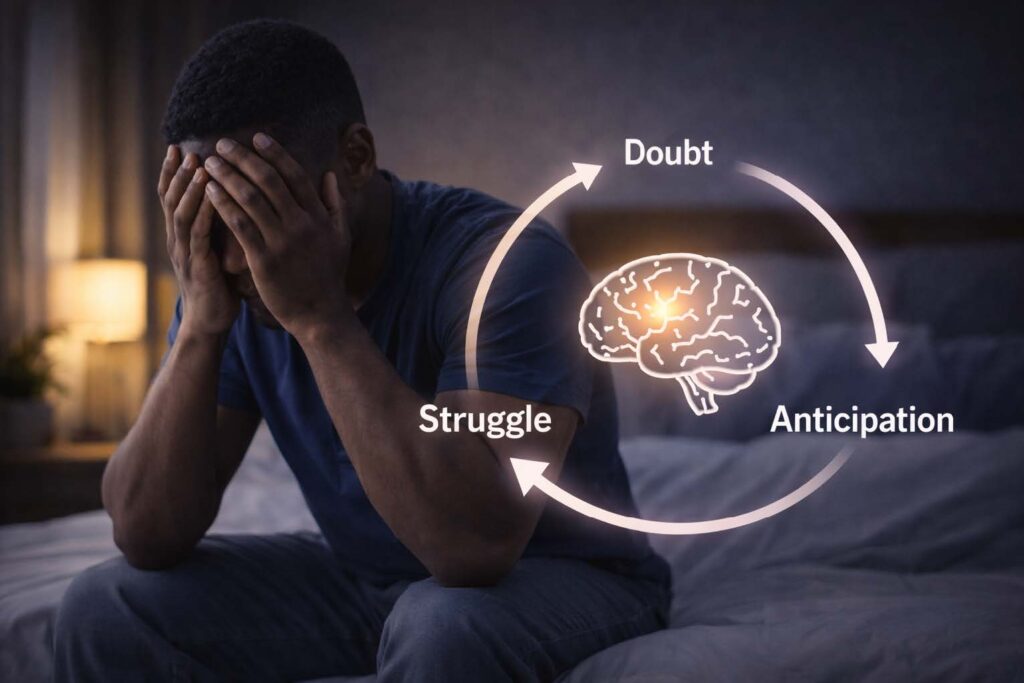
The Anxiety Cycle

Performance anxiety can quickly become a cycle.


A single experience can lead to doubt. That doubt can turn into anticipation, and that
anticipation alone can interfere with your ability to perform.


Stress, anxiety, and internal pressure disrupt the connection between your brain and body,
making it difficult to relax, respond, and perform naturally. They can also impact blood flow and
relaxation, both essential for a healthy erection.


Much like worrying about falling asleep can keep you awake, worrying about performance can
prevent an erection before intimacy even begins.


Common Contributors:

PHYSICAL CAUSES

Underlying Health Factors

Erectile dysfunction is often connected to physical changes within the body that affect blood
flow, nerve function, and hormone balance, all of which play a role in achieving and maintaining
an erection.

Blood Flow & Metabolic Health

Healthy blood flow is essential for performance.

Conditions such as diabetes, cardiovascular disease, and metabolic dysfunction can impair
circulation and nerve signaling, making it more difficult to achieve a strong and consistent
erection.

Medications

Certain medications can also contribute to ED by affecting blood flow, nerve response, or
hormone levels.

Common contributors include:
• Blood pressure medications
• Antidepressants
• Anti-anxiety medications
• Prostate medications
• Certain cardiac drugs
If you believe a medication may be impacting your performance, it’s important to speak with a
healthcare provider before making any changes.

Hormonal Imbalances

Hormones play a critical role in sexual function, energy, and overall performance.
Imbalances in key hormones may contribute to ED, including:
• Testosterone
• Estrogen
• SHBG
• LH and FSH
• DHEA-S
• Thyroid hormones
• Cortisol
In some cases, a hormonal evaluation may help identify underlying contributors.

Structural & Tissue Changes

In some cases, physical changes to penile tissue can affect function and performance.


Conditions such as Peyronie’s disease may lead to:
• Curvature
• Pain
• Reduced rigidity
• Difficulty maintaining an erection

Why Understanding the Cause Matters

Erectile dysfunction is rarely caused by a single factor. For many men, it is a combination of
physical, psychological, and hormonal influences working together.
Identifying what is contributing to your symptoms allows for a more precise, effective approach
to treatment.

What This Means for You

When the root causes are understood, treatment becomes more targeted and more effective.
Modern approaches focus on improving overall function, not just short-term performance.
• Addressing contributing factors
• Supporting long-term health
• Providing reliable, results-driven treatment options

You Have Options

No matter the underlying cause, there are solutions.
Whether your ED is influenced by stress, physical changes, hormone levels, or a combination of
factors, the right approach can restore performance, confidence, and control.

Get Back to Feeling Like Yourself Again

You don’t have to navigate this alone.
With the right approach, real, lasting improvement is possible.